
Does BPC-157 help injury recovery?
In one small knee-pain report, 11 of 12 people who received BPC-157 alone said their pain improved. Neither of its human pain reports had a placebo or untreated comparison group.
3 of 16 in Every Peptide Explained in 10 Minutes (Human Studies Only)
What the human studies found
- Promoted for injury recovery. The FDA’s BPC-157 review records clinics promoting it for injuries, wounds, tendons and ligaments.
- Knee pain: in one small report, 11 of 12 people who received BPC alone said their pain improved.
- Bladder pain: a separate report on 12 women also described symptom improvements.
- Neither had a placebo or untreated comparison group. Feeling better matters, but without a comparison it’s harder to separate the treatment’s effect from natural recovery, expectations or other care.
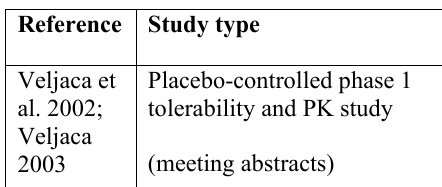
- There are also older controlled studies described in conference abstracts. So saying it’s never been tested in people would be wrong. Saying those records settle the recovery claims would go too far, too.
- A new registry record from a sponsor in Shenzhen had no results posted as of October 2, 2026.
- Safety: the FDA has flagged concerns about compounded BPC-157, including immune reactions, impurities and limited safety information.
The studies (5)




Also cited
We checked the human research behind 16 peptides. The question wasn’t just “is there a study?” It was “does that study support the pitch?” For each one: who took part, what was measured, and what actually changed.
 Watch all 16, explained: the film on YouTube · 9:42
An approval, a trial or a paper belongs to a particular substance and a particular use. None of it verifies the contents of a bottle sold online. This is an investigation of the claims, not a guide to taking them.
Get the free 3-question checklist
The three questions we asked of all 16 peptides, plus each new investigation when it drops. No spam, unsubscribe anytime.